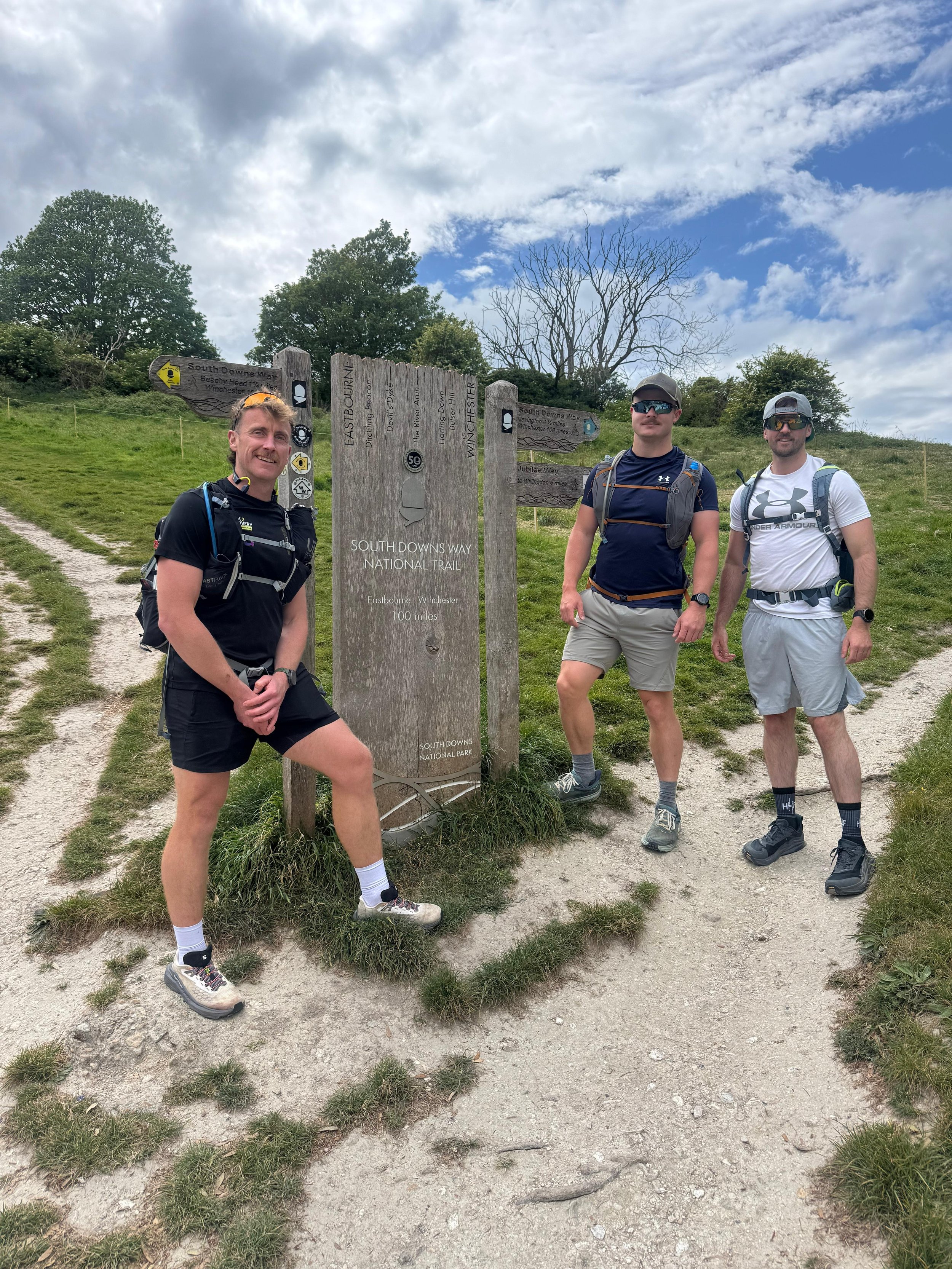
I DNF'd the South Downs Way
What 82.95km taught me about commitment, my why, and the difference between them
Saturday the 16th May I Did Not Finish the South Downs Way attempt.
160km. No event, no aid stations just myself. I made it past 80km. And I'm sitting here now tired, feet that hurt, mind clear and genuinely at peace with it what many would see as falling short.
Not performing peace or rationalising it into something it isn't.
That surprised me although it shouldn’t have . So I want to be honest about why.
Before I go on I want to say hats of and full respect to Harry and Sam who also committed and carried out an incredible feat together through the night. Proud of you lads!
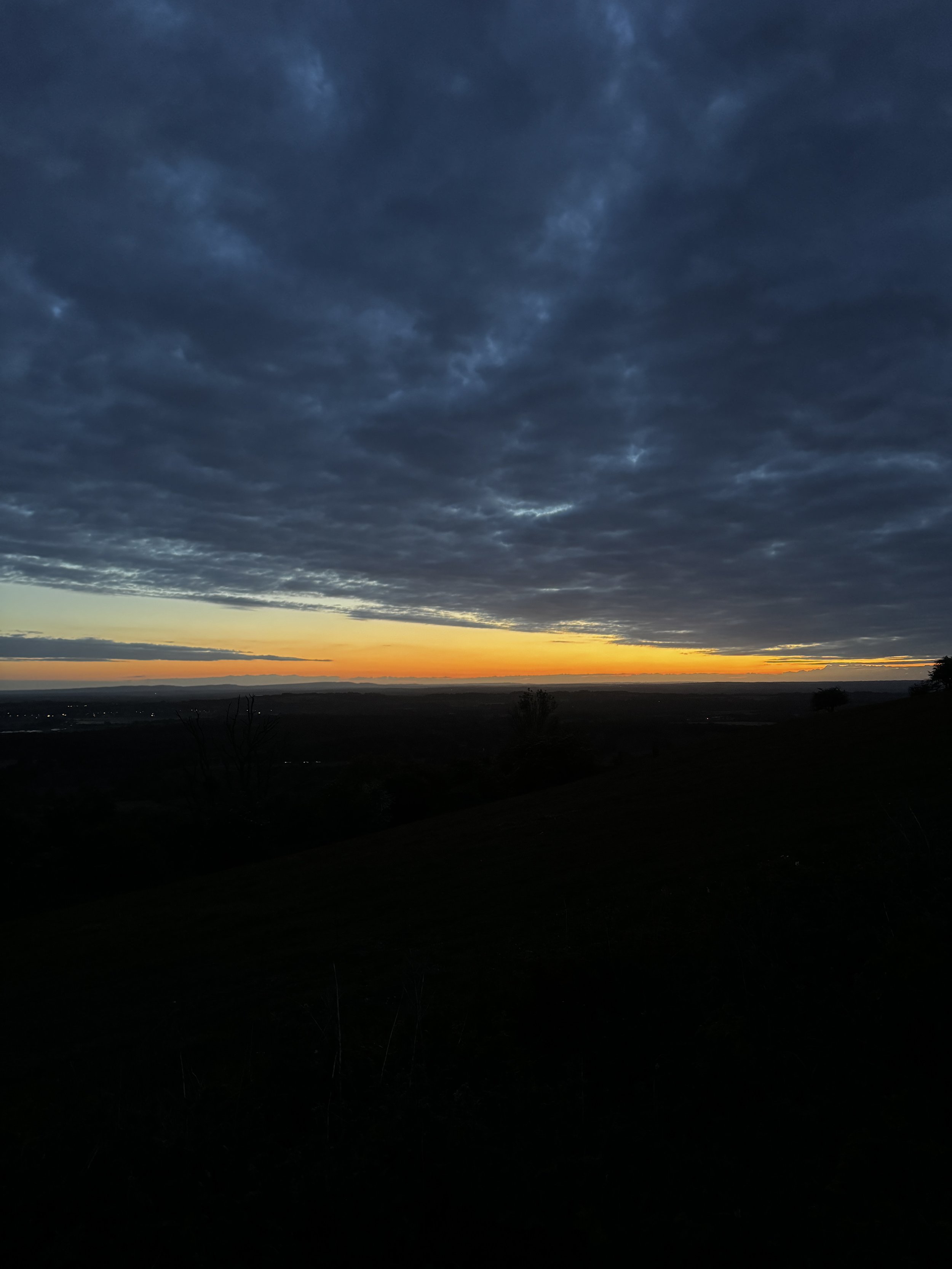
Sunrise 0400 south downs way between Amberly and Washington
How I ended up here
It started as a work thing a few people from my fire station and others Not the usual kind the piss ups and nights out they have no interest to me. Someone had organised a date to do a challenge “the South Downs Way'“ and when they asked who was in, I said yes and if I am honest I ummed and arrrr’d for a while that was the first that had an effect. At least it was something real so let’s go.
Nine to eleven people were originally interested. It narrowed down to three of us! me and two others and they had never run anything close to this distance. One of them hadn't run more than 35km in his life. They stayed committed throughout. So did I and that matters to me.
The thing I didn't fully ask at the time: why did I want to do it?
The honest answer is that I didn't, particularly. I said yes because it wasn't a piss-up. I said yes because the others were committed and I respected that. I said yes because I give my word and I keep it and once I'd said it, that was that.
That's not a bad reason to do something it's simply not a big enough reason to run 160km.
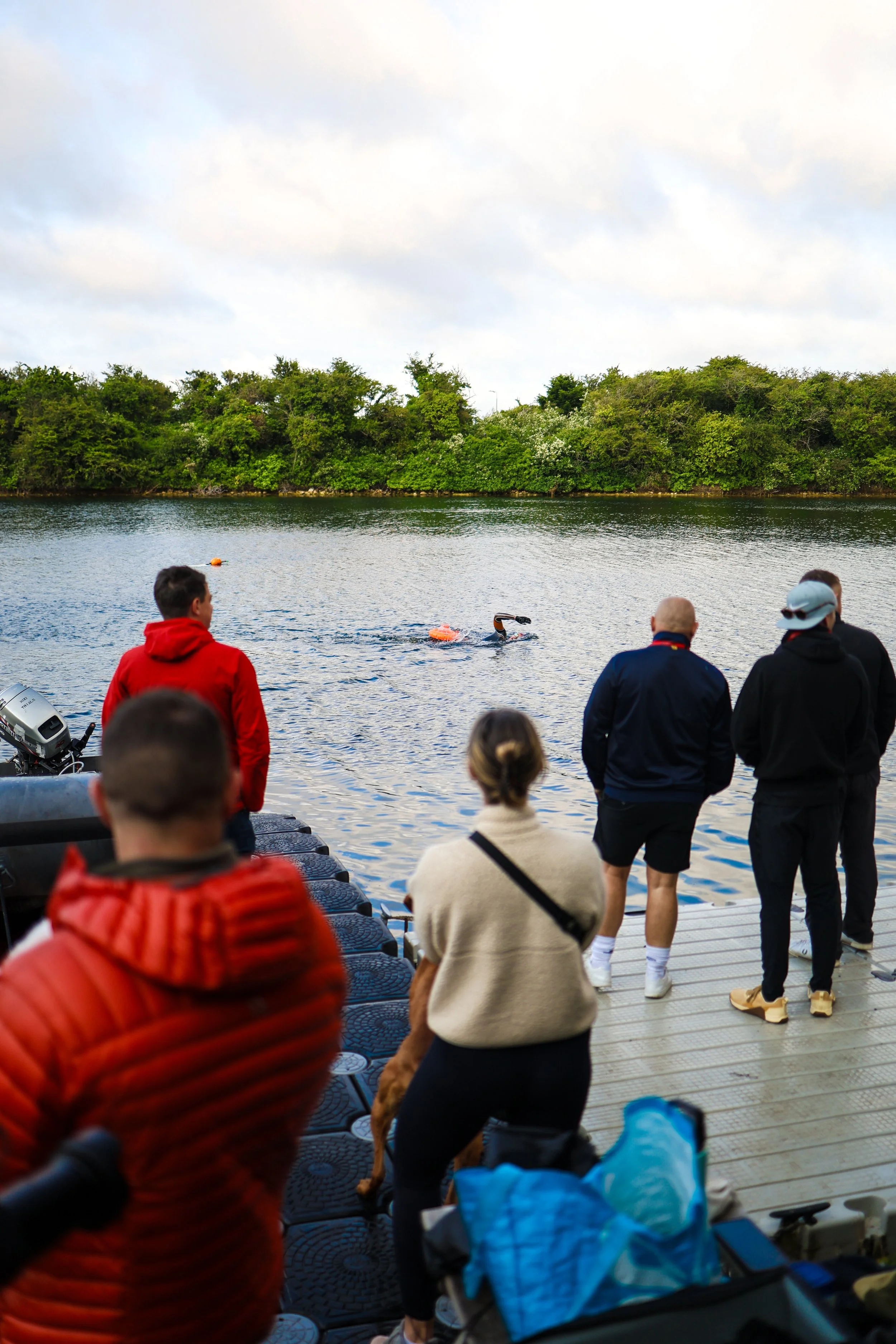
Before setting off and in the initial group chat and plans it was always a case of ‘this is a solo event no support’ and it’s up to you if you group up or not. I agreed with the Harry and Sam that I was going to go ahead alone for this one.
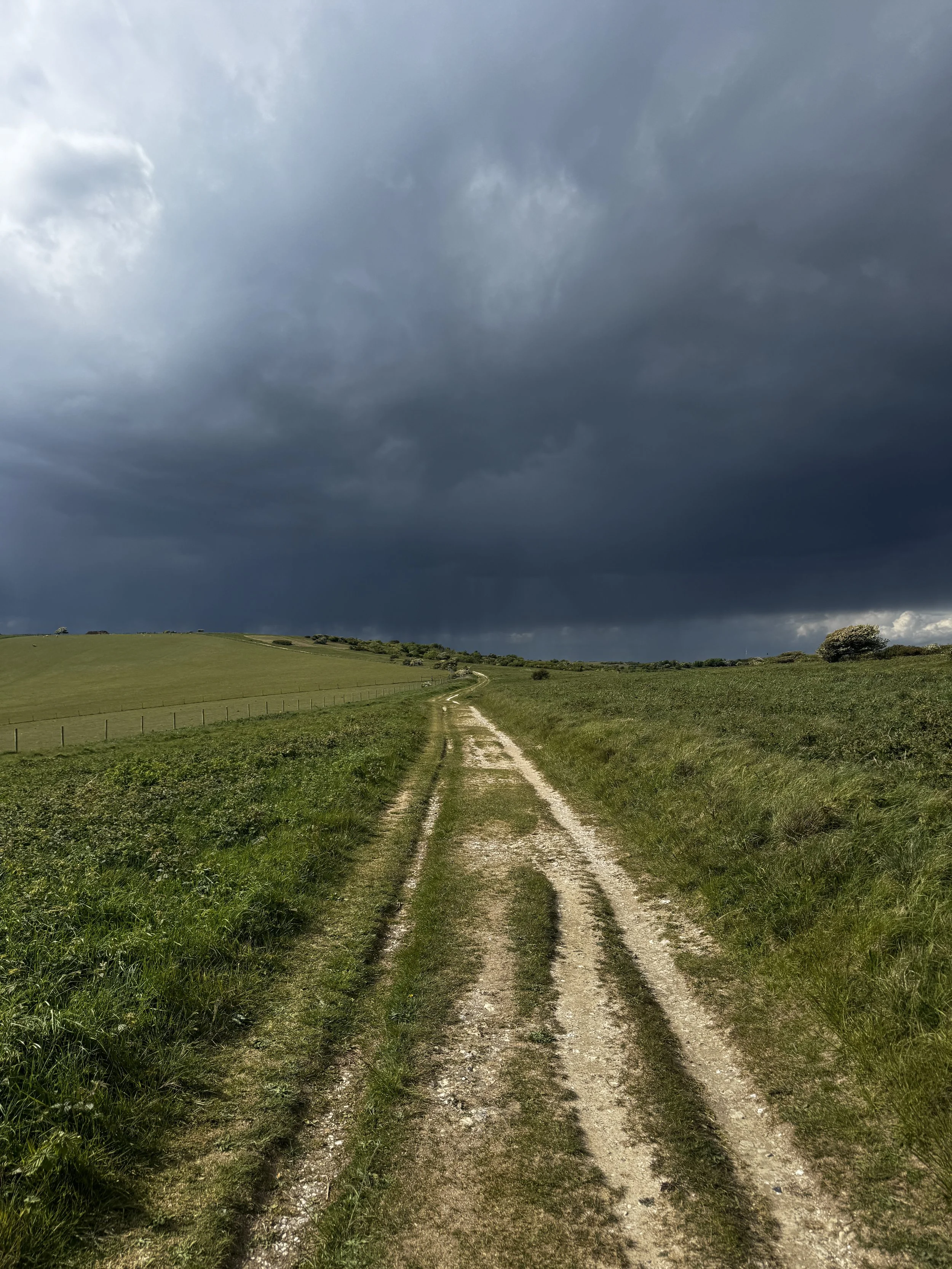
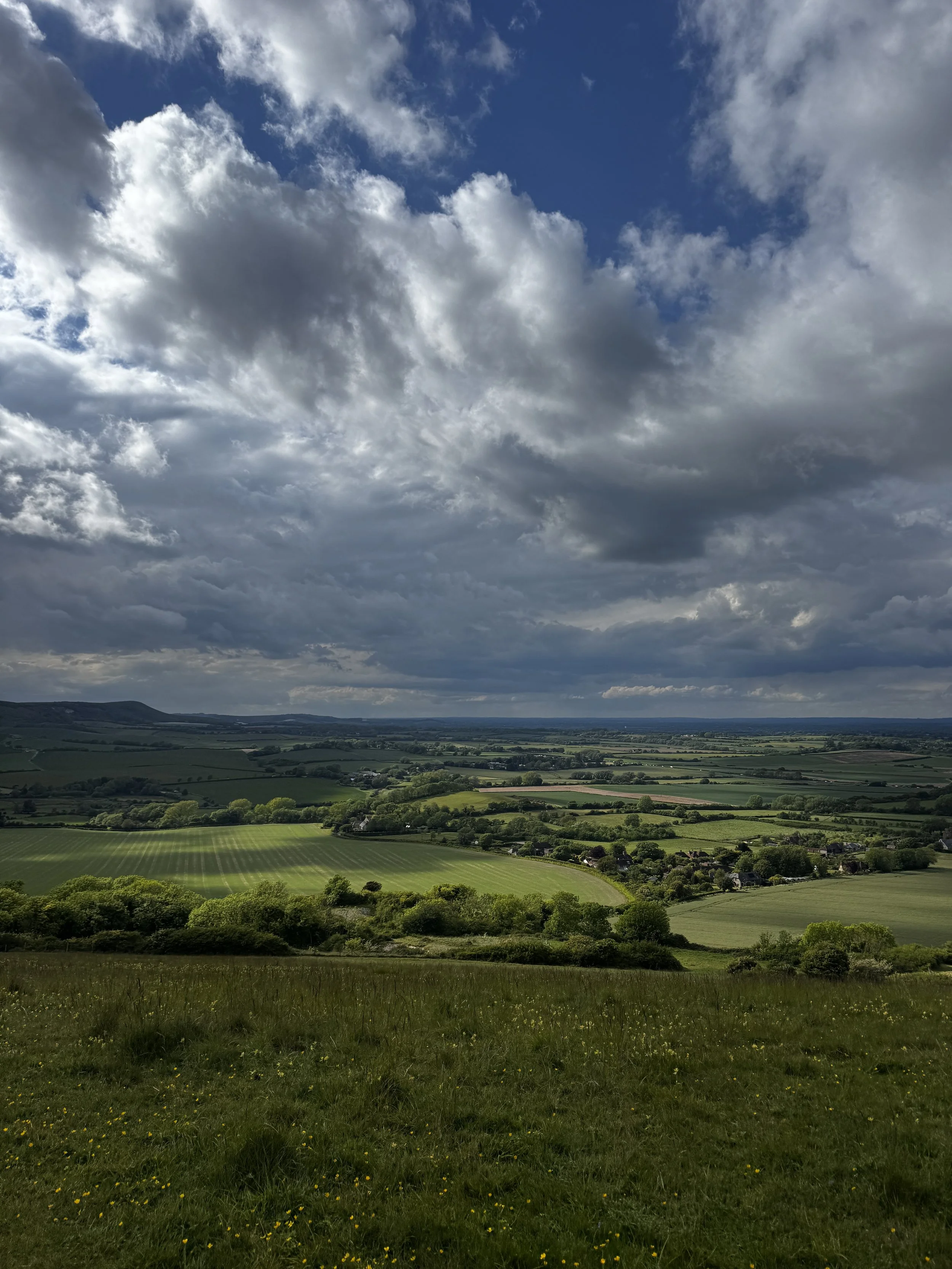
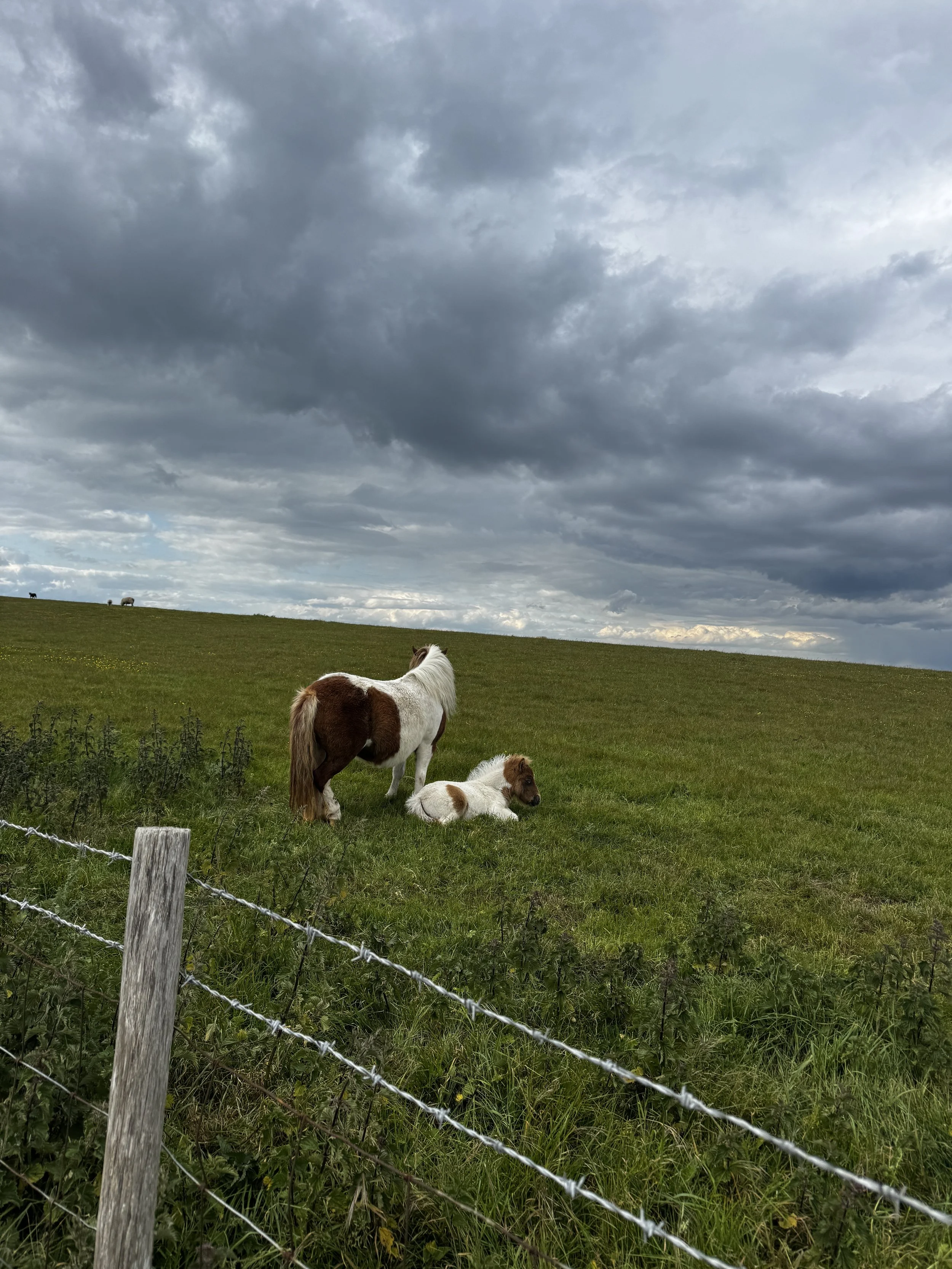
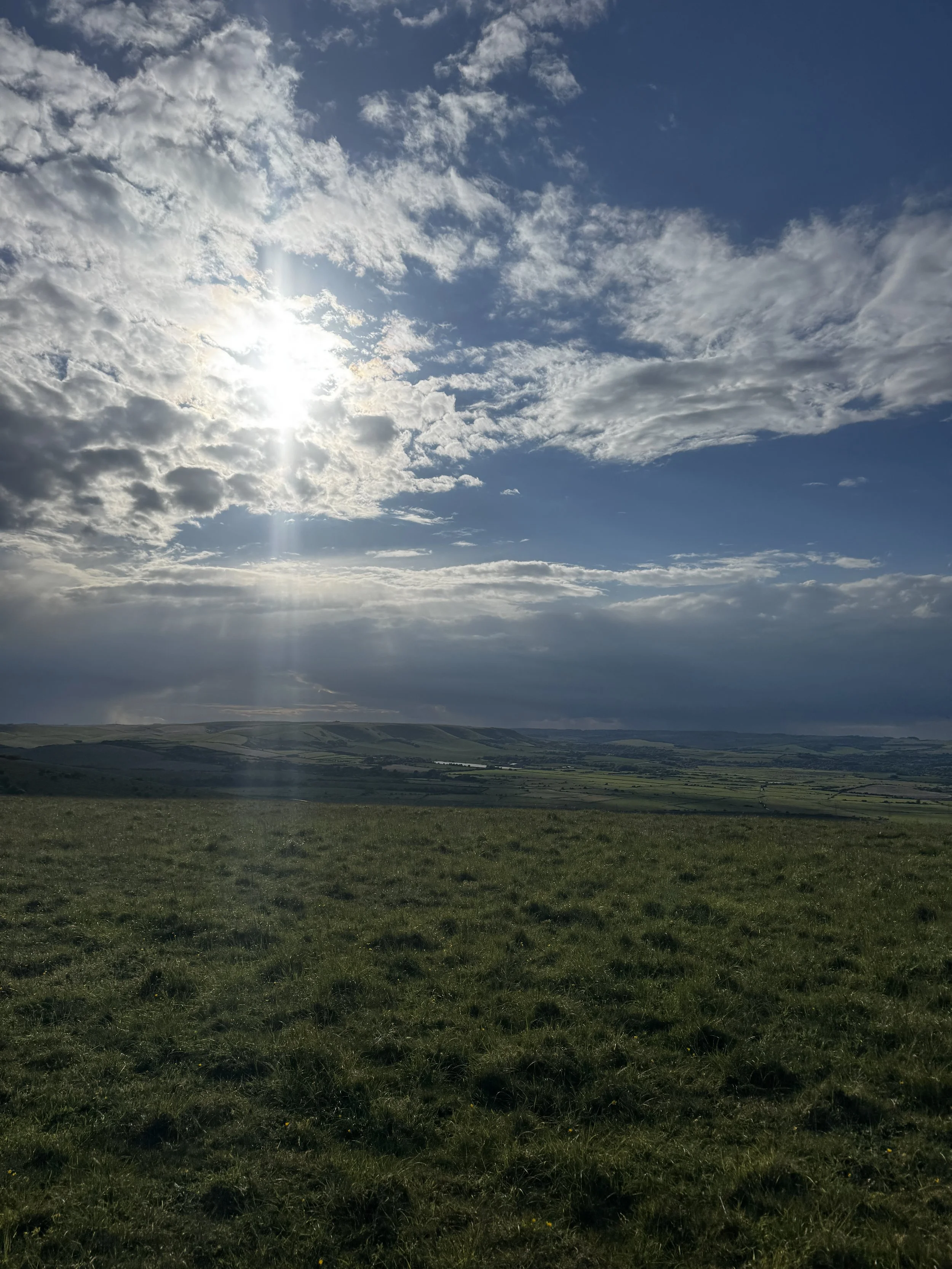
Let’s start with the first 30km
The first 30km. I felt good. I was moving well, body working, head in it. The kind of early miles where you remember why you do this. I was having fun out there.
Then something shifted. Not physically in my legs or my body.
My mind, a quiet, persistent voice that said ‘I don't want to be here.’ Not in a dark way or a struggling way. A deep feeling that this doesn't belong to me in the way that other challenges have.
I kept going. Because I said I would and two people were following from behind somewher who'd never done anything like this and they were still moving. Because I do not quit.
From 30km onwards I was fighting two battles. The run itself which was fine and the constant internal argument about why I was there at all. You said you would vs stop this isn’t for you
That second fight is exhausting in a way the physical never is.
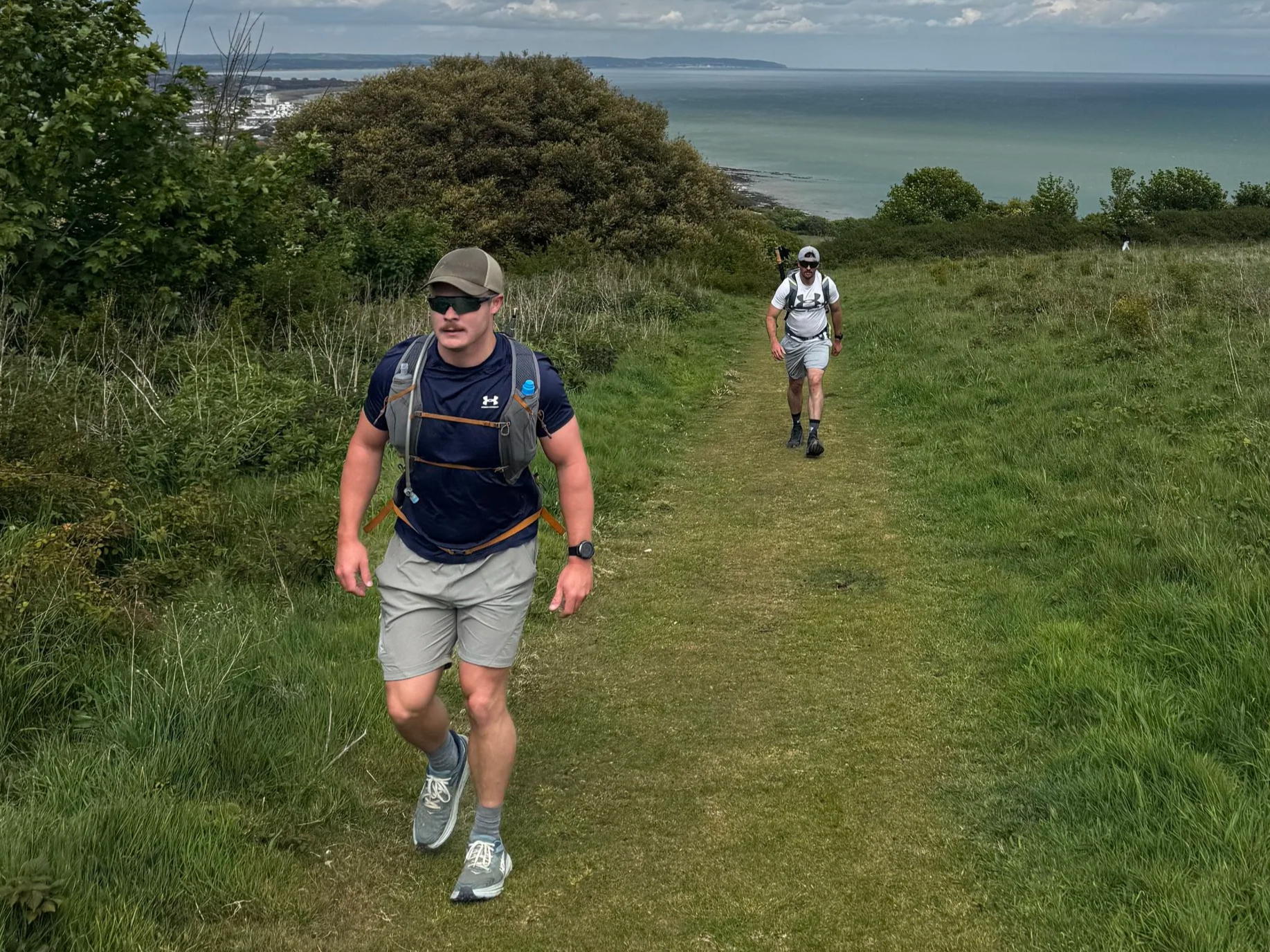
What I've done before
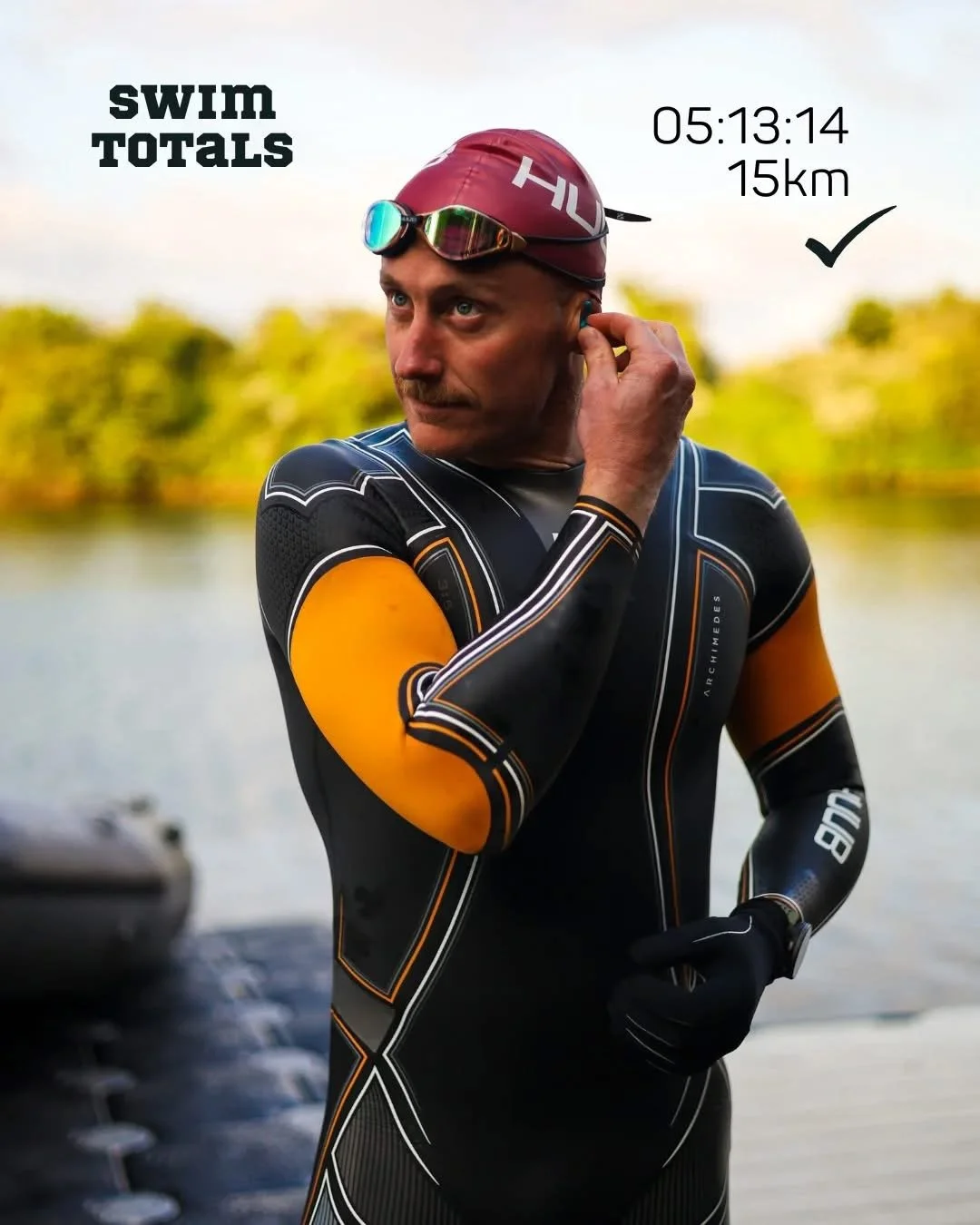
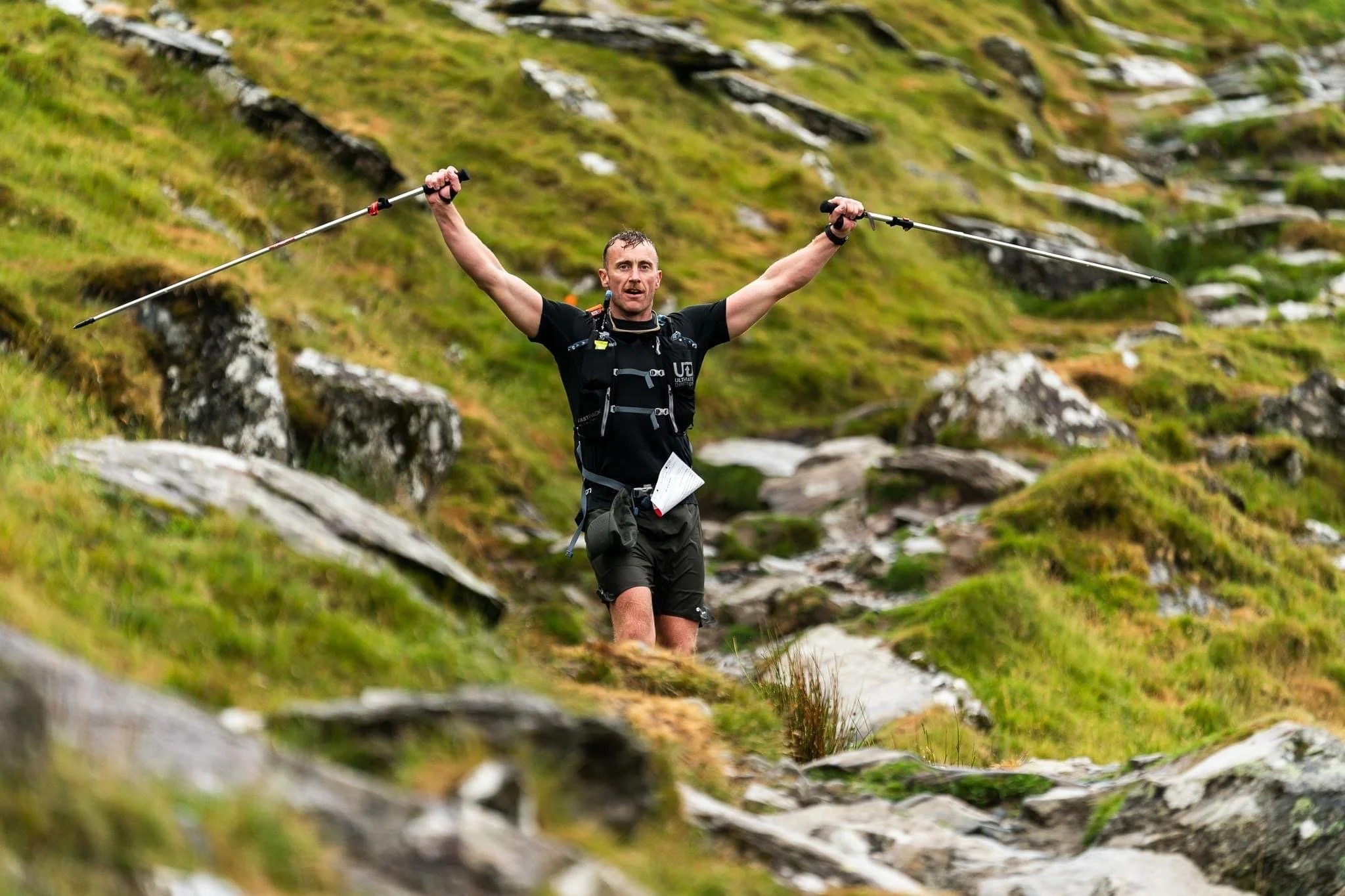
I've run across the Arctic Circle a 230km, five days, to minus 40 self-supported.
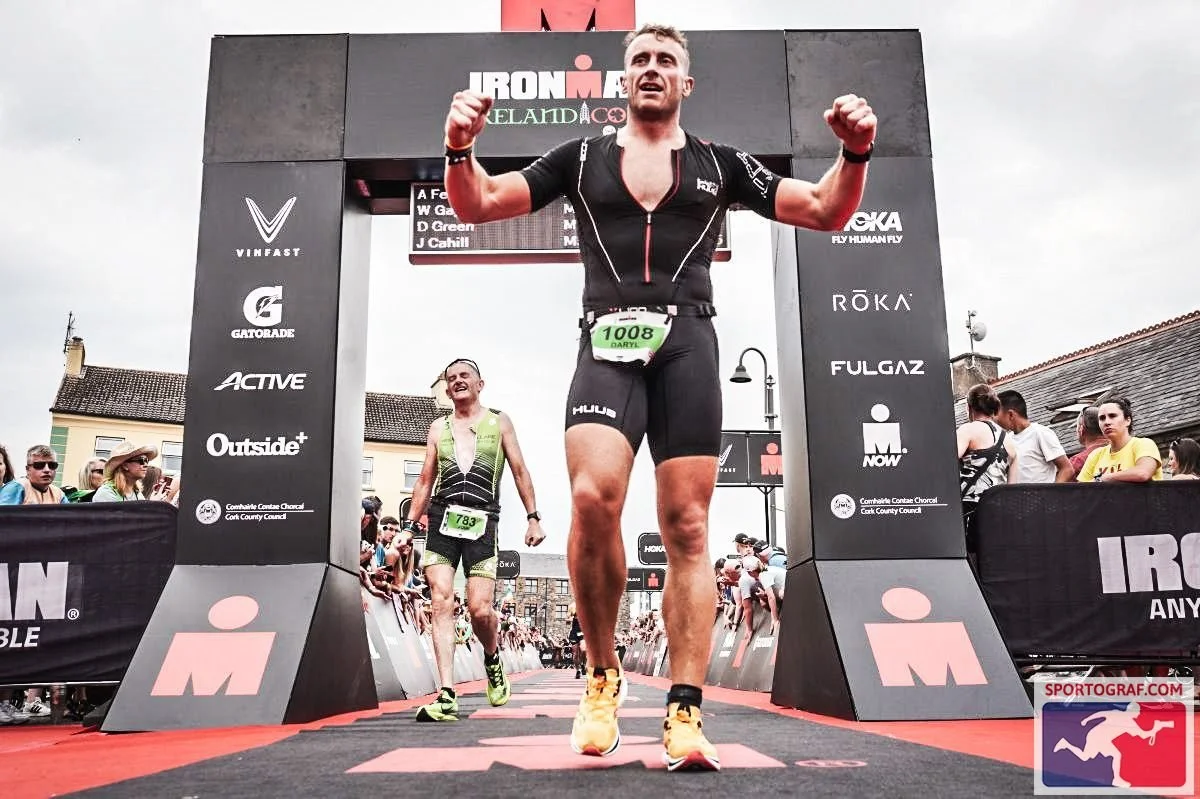
I completed my first triathlon a full Ironman in Ireland alone at the hardest point of my life after loss, two years of counselling and rebuilding me from the bottom. I crossed that finish line not because I was ready because I it was proof to me.
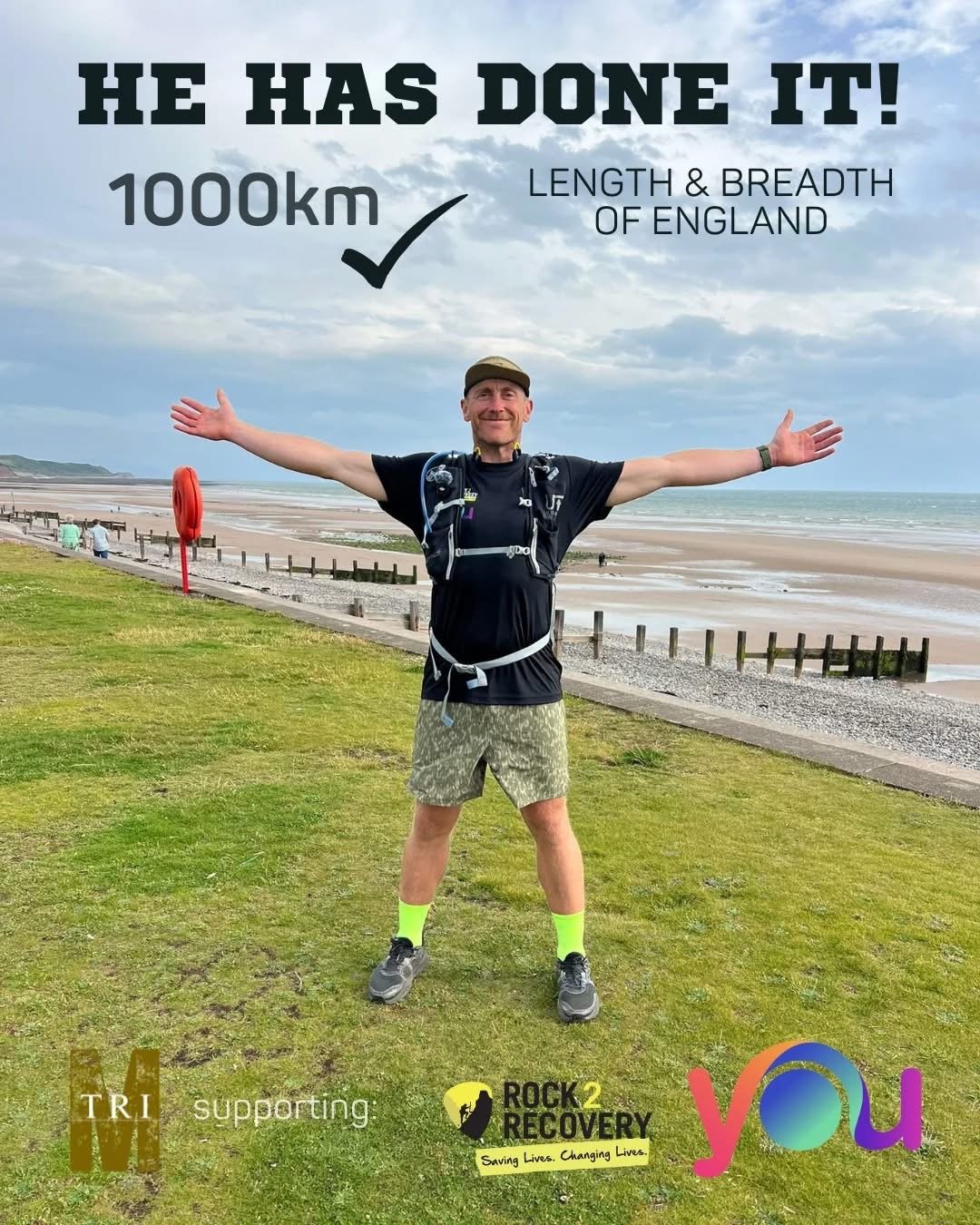
I designed and completed TRI-M - The 1,000km triathlon for the charities that helped me survive my darkest year.
I have never, in any of those, felt what I felt at 30km of this run.
And some of those were objectively harder. Longer, colder, more dangerous and uncertain.
The difference wasn't the distance. It was the why.
Every one of those challenges had a reason that was mine. Something that mattered beyond the commitment itself. The Arctic was about experience, exploration and adventure. The Ironman was about reaffirming my strength and character and TRI-M was about giving back to the people who gave me back my life.
The South Downs Way was about not breaking my word or letting people down who actually never showed up anyway!
That's real and that has value it just wasn't enough fuel. Not for 160km.
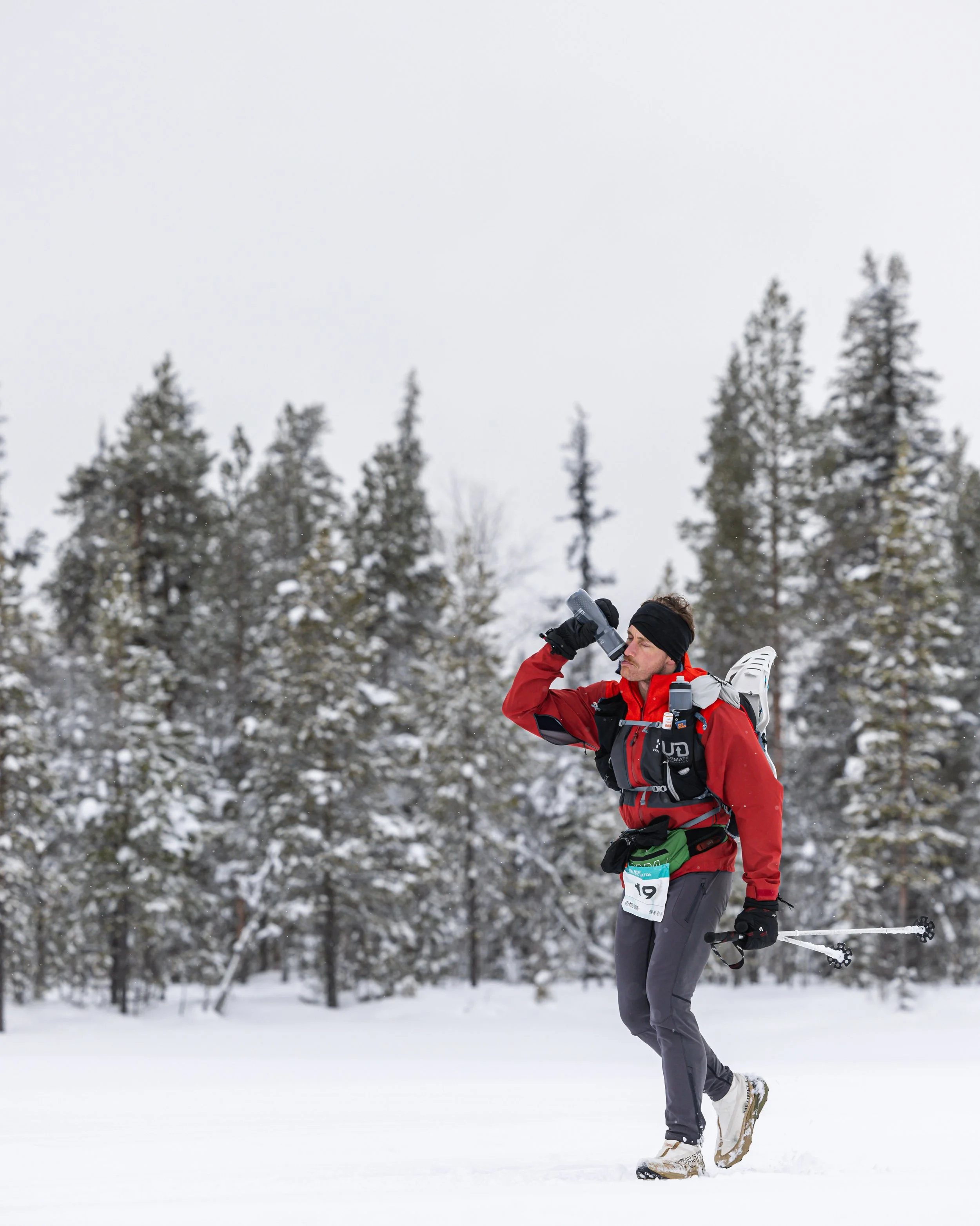

The moment I made the decision
I'd been saying to Harriet for weeks, I cannot wait to see the back of this.
Not with excitement. Not with the nervous energy of a challenge you're genuinely up for, instead relief. As if it was a weight I was carrying that I just needed to put down.
That should have told me something.
When a challenge you've committed to feels like a burden rather than a choice, that's not a fitness problem. That's not a mental toughness problem. That's a why problem. No amount of showing up closes that gap if the reason isn't right.
I have a lot of other challenges outside of exercise. Building Limitless Project and its community, moving into the van and redesigning it. The business is at a point where it needs real focus and real energy and for weeks I'd been aware that the South Downs Way was sitting on top of all of that like something I owed, not something I'd chosen.
At 50km 2200 I made the call. Not because I couldn't go on physically. Because continuing would have been pure obligation with no meaning behind it. And I've spent enough of my life doing things for reasons that weren't mine.
I continued to the morning when i could get collected at 0500.
What I'm not saying
I'm not saying commitment doesn't matter of It does.
I'm not saying you should quit when things get hard. Hard is the point. Hard is where everything worth having lives.
I'm not saying your word doesn't count. Mine does and always has. That value is real and I don't walk away from it easily.
What I am saying is this - The standard of doing what you say you will is only as strong as the reason behind what you said. Commitment without a genuine why is just endurance for its own sake. And endurance for its own sake, without purpose underneath it, is not the same as growth.
The point of doing and working on these things is so they work on you.
I've done enough events and challenges to know the difference now. Before today, I'm not sure I fully did.
The peace
For the first time, I'm genuinely at peace with not reaching the finish line.
Not because I failed. Because what I was doing wasn't fulfilling me. It wasn't mine in the way it needed to be. I showed up. I trained hard, and I loved that training. I gave everything I had to the preparation. I ran 82.95km though the night on a course you can’t call easy.
The why wasn't there and without the why, finishing would have been stubbornness. Not purpose. That leads to hellish habits that have consequences.
I turned up gave my word and trained hard. I ran short of 83km and came home knowing something I didn't know before.
That's it wasn’t for nothing and it is never a failure.
It is exactly the kind of thing that moves you forward not the performance, not the finish line, it’s the honest look at what you're doing and why.
What this means for you
Before you commit to the next big thing the event, the programme, the challenge, the project. Ask yourself one question.
Is the why mine?
Not: did I say I'd do it.
Not: will people think less of me if I don't.
Not: is it objectively a good idea.
Is the reason for doing it genuinely yours? Does it come from something inside you, something you care about, something you're building toward, something that matters beyond just the act of showing up?
Most important something that will work on you!
If yes commit fully. Go all in. Your word and your why together are an incredibly powerful thing.
If the answer is unclear, or if the why belongs more to someone else's expectations than your own, be honest about that before you're deep in wondering why the drive isn't there.
Check your why before you give your word.
If the why isn't big enough say so early, not at the point of no return.
Daryl Green is the founder of Limitless Project. A coaching and adventure brand for people who know what they want but haven't started yet. If this piece landed, the community is open and the coaching spaces are limited.